Doctors at Sharjah's Kuwait Hospital rescue individual who swallowed 12-centimeter nail and a spoon
- Last updated: August 31, 2026 | 18:23


Gulf Today, Staff Reporter
A specialised medical team at Kuwait Hospital in Sharjah, part of the Emirates Health Services Corporation, successfully treated a patient who arrived at the emergency department in critical condition after ingesting two metal objects: a 12-centimeter nail and a spoon.
This led to a rupture and perforation in the duodenum wall, allowing its contents to spill into the abdominal cavity. The patient's condition was extremely grave and required immediate surgical intervention.
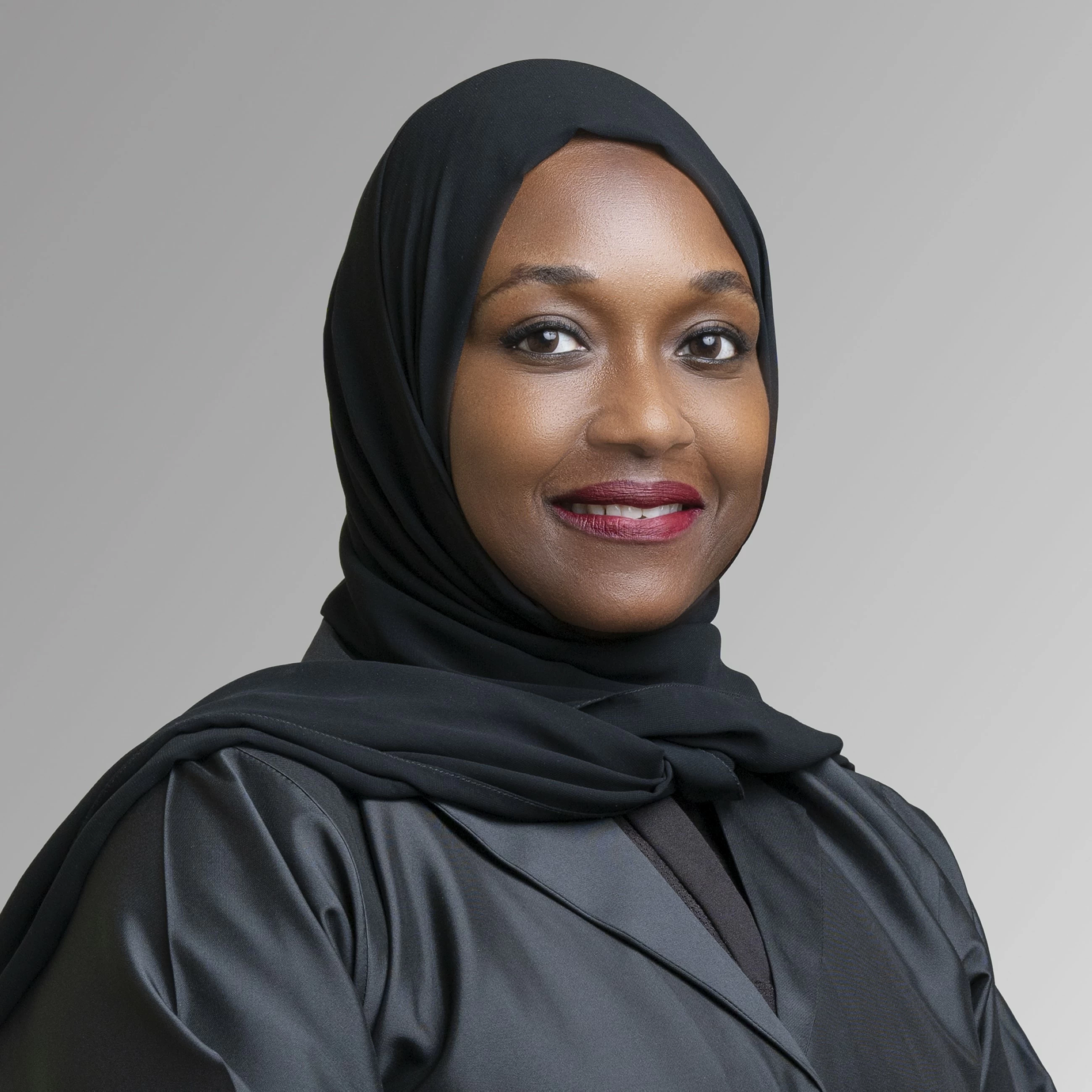
Afraa Salem, the hospital's director, stated that this achievement underscores the medical team's high level of preparedness and skill in handling complex and emergency situations. The hospital is committed to continuously enhancing its clinical and surgical capabilities while employing advanced technologies and resources. This effort supports the corporation's dedication to upholding the highest standards of quality and safety, delivering comprehensive, patient-centered care, and ensuring swift intervention in urgent medical cases.
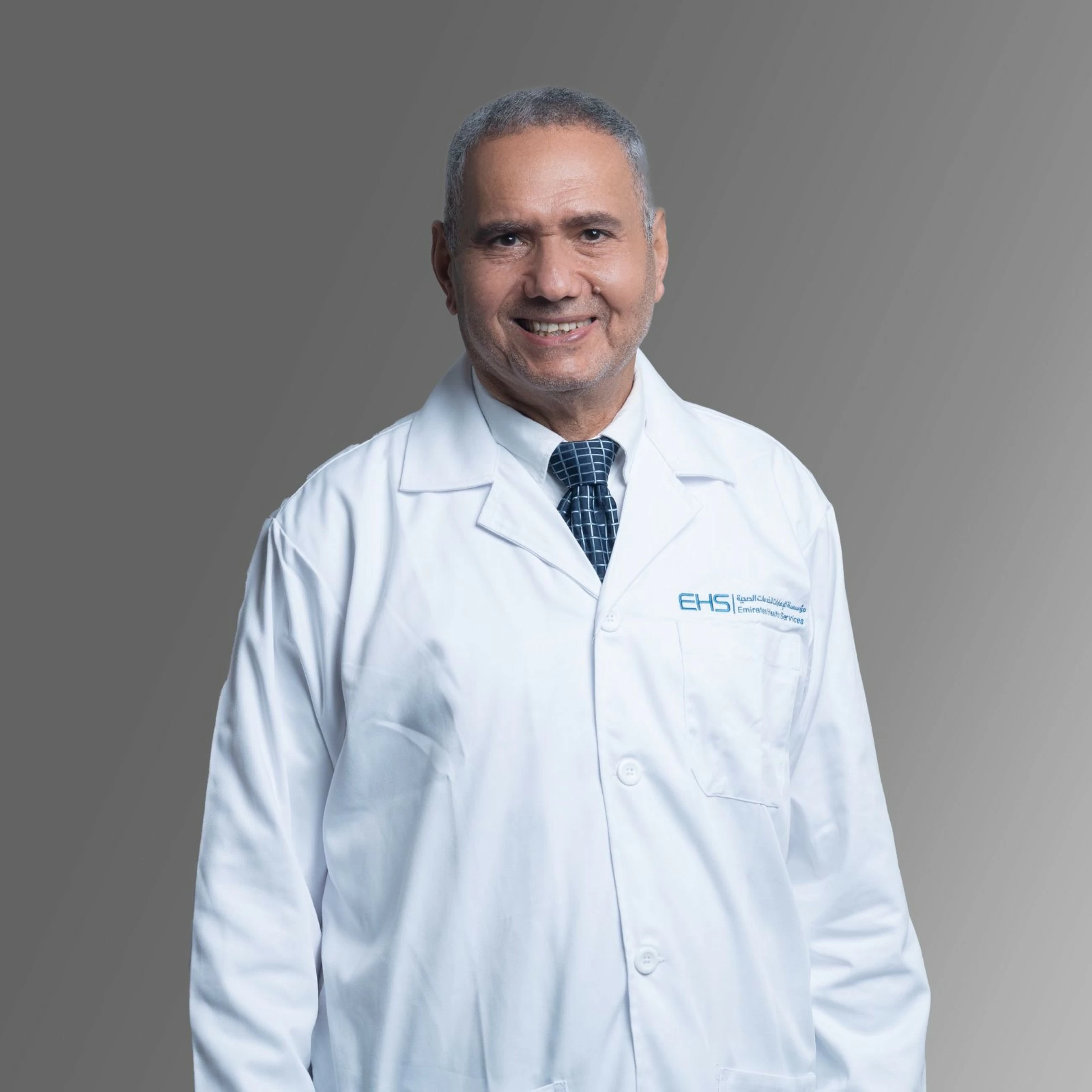
Dr Ibrahim Al Najoumi, Consultant and Head of the Surgery Department, explained that medical examinations and diagnostic imaging identified solid, sharp foreign objects causing extensive damage to the duodenum, necessitating urgent surgical intervention. Initially, the team performed a comprehensive endoscopic examination, followed by emergency surgery to successfully remove the nail and spoon, repair the ruptures and perforations, and ensure the preservation of surrounding tissues and organs.
The patient arrived at the emergency department suffering severe complications from swallowing the two metal objects. After assessing the situation and conducting essential examinations, a medical and surgical team was assembled to address the problem.
Post-surgery, the patient was closely monitored to evaluate his response to treatment and ensure his condition remained stable and free from complications. His health is gradually improving.